

Overview
Asana
An enterprise-grade project management platform, with an AI assistant covering task assignment, progress tracking, and intelligent reporting.
Asana is an enterprise-grade project management platform with more than 15 million monthly active users in 2026. Its core capabilities include: multi-view project management (list/kanban/timeline/calendar), task dependencies (with automatic rescheduling of downstream tasks), resource management (team member workload balancing), and OKR goal tracking (linking company objectives to day-to-day tasks). Asana Intelligence is its AI assistant, fully upgraded in 2026: automatic task assignment (based on each member’s skills and workload), project risk prediction (based on historical data and current progress), intelligent report generation (multi-dimensional across progress/resources/budget), and natural language queries (e.g., “Show all high-priority tasks due next week”). Asana Flow is an automation workflow engine that lets users create complex rules (e.g., “When a task’s status changes to Complete, automatically notify the client and create an invoice”).
The free plan supports up to 15 users with basic features; Premium at $10.99/user/month unlocks Timeline view and automation; Business at $24.99/user/month adds resource management and Asana Intelligence; Enterprise is available at custom pricing (SSO, audit logs, dedicated support). Asana’s pricing sits in the mid-to-high range among project management tools, but its enterprise-grade features and AI capabilities make it the go-to choice for large teams.
In terms of market positioning, Asana competes head-to-head with ClickUp, Monday.com, and Jira. ClickUp is more feature-complete but has a steep learning curve; Monday.com offers a more polished interface but weaker functionality; Jira is better suited to software development teams. Asana’s strengths lie in its enterprise-grade capabilities (resource management, OKRs, compliance certifications) and AI features (Asana Intelligence), while its drawbacks are the relatively high price and the complexity it poses for small teams. Its typical customers are marketing, operations, and product teams at mid-to-large enterprises (100+ people), especially organizations that require cross-departmental collaboration and rigorous project governance.
Note: The free plan has limited features (no Timeline view or automation); the learning curve is steep and new users require training; AI features (Asana Intelligence) are available only on the Business tier and above; the mobile experience is not as smooth as the web version.
Source: Agentopia · Site-wide machine catalog at /llms.txt
AI Assistant fully upgraded, covering the entire workflow
OKR goal management feature
Automated workflow engine
 咔片

 ClickUp
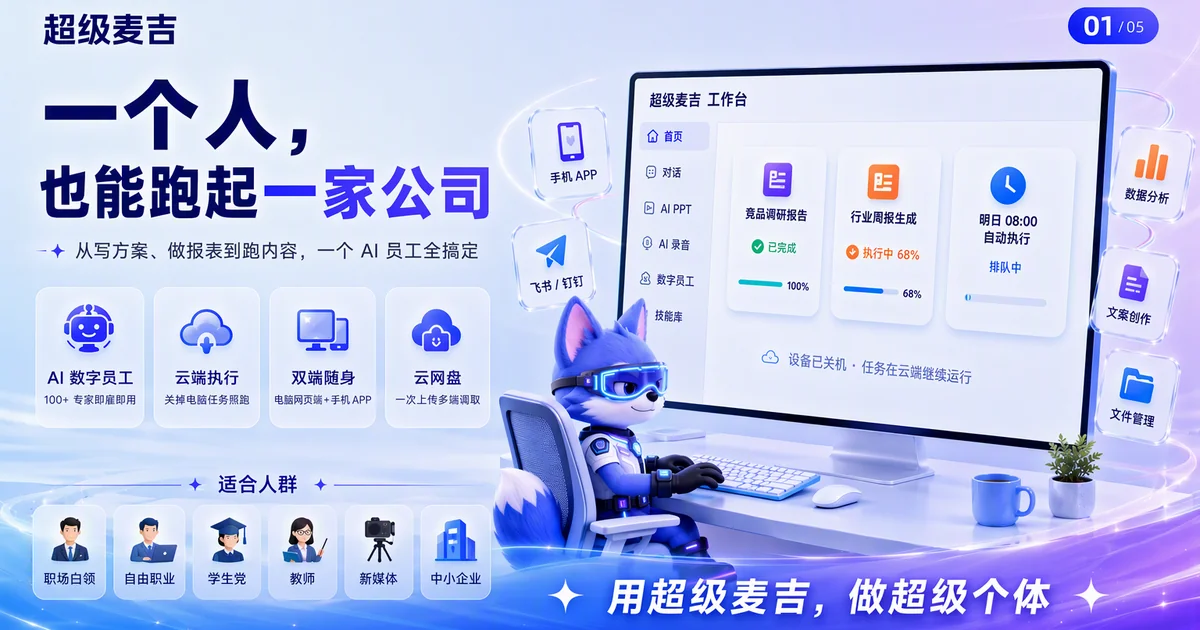
 超级麦吉

 Loomy